Behavior Patterns Vector Infographic Design Guide
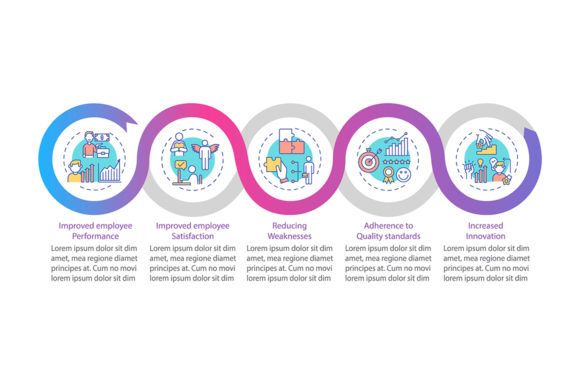
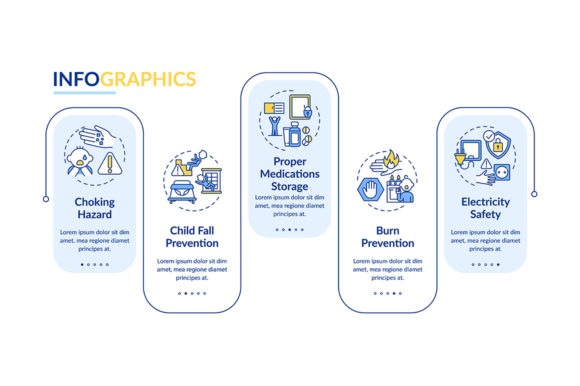
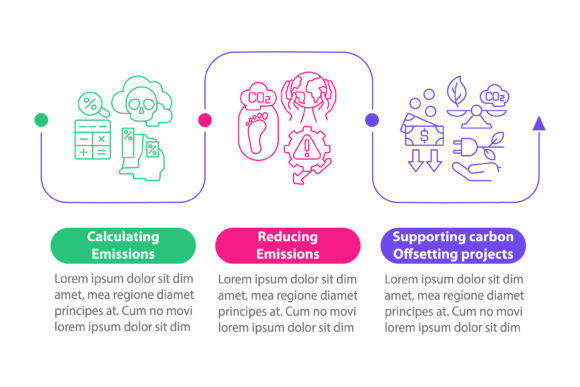
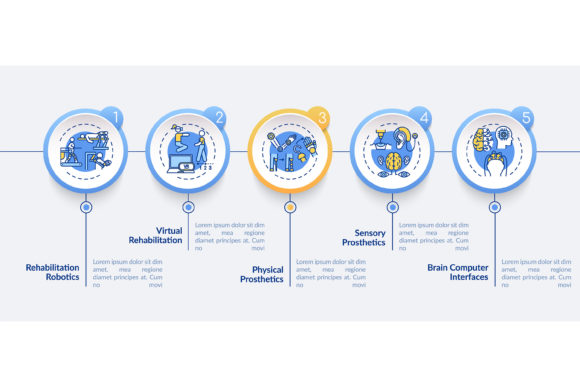
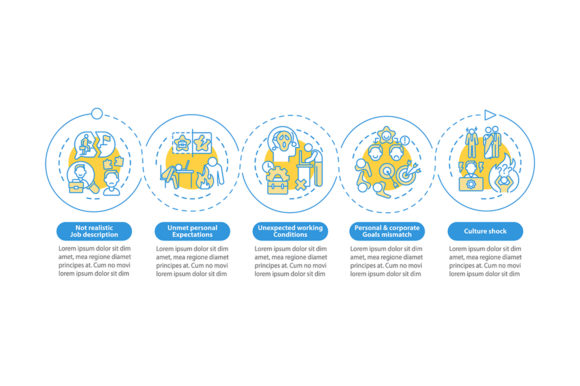
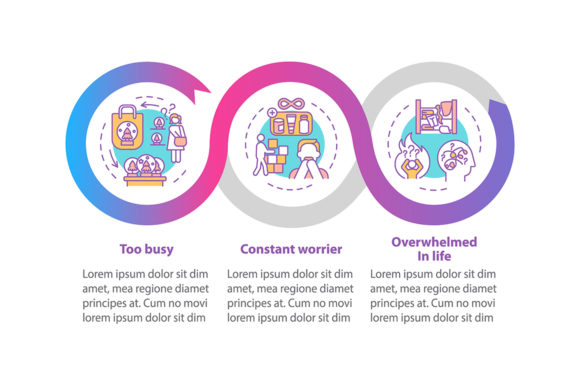
Visualizing human habits and organizational workflows requires more than just data; it demands a narrative structure that guides the viewer through complex information. A Behavior Patterns Vector Infographic serves as this bridge, transforming abstract psychological concepts or operational steps into tangible, linear visuals. When utilizing a behavior patterns vector infographic template, designers and communicators can bypass the initial blank canvas anxiety, focusing instead on tailoring the message to their specific audience. These templates often feature people making mess presentation design elements, which adds a relatable, human touch to otherwise sterile process diagrams. By combining structured data visualization with 5 steps and a clear process timeline chart, these resources allow for rapid deployment of professional-grade visuals across various sectors.
Diverse Applications Across Skill Levels
The value of a workflow layout with linear icons shifts dramatically depending on who is holding the mouse. For beginners and students, the primary benefit is educational scaffolding. Learning to visualize a five-step process from scratch involves understanding hierarchy, alignment, color theory, and iconography simultaneously. A pre-made template acts as a reverse-engineering tool. By deconstructing how the linear icons connect to the text blocks, or observing how the "people making mess" illustrations balance negative space, novices gain practical design intuition. They are not just filling in text boxes; they are analyzing why certain visual decisions were made to represent behavioral loops effectively.
Conversely, experienced professionals and agency designers prioritize speed and consistency over learning fundamentals. For a marketing manager preparing a quarterly review or a UX researcher presenting user journey maps, time is the scarcest resource. Here, the behavior patterns vector infographic template functions as a productivity multiplier. The ability to open an AI or EPS file and immediately swap brand colors while maintaining perfect geometric alignment ensures that high-stakes presentations look polished without consuming days of billable hours. The reliability of the vector format means the graphic remains crisp whether projected on a conference room screen or printed in a detailed white paper.
Educators and Trainers: Clarity Over Aesthetics
In academic and corporate training environments, the priority shifts toward cognitive load management. Educators using these infographics are less concerned with trendy aesthetics and more focused on pedagogical clarity. The 5-step data visualization format aligns perfectly with instructional design principles that suggest breaking complex behaviors into digestible chunks. When explaining a new safety protocol or a customer service script, the linear progression helps learners encode information sequentially. The inclusion of relatable imagery, such as people navigating chaotic situations, provides emotional anchors that improve retention. For this group, the template’s usefulness is measured by how quickly students grasp the concept, not by artistic novelty.
Evaluating Technical Flexibility and File Formats
When selecting a behavior patterns vector infographic resource, technical specifications dictate long-term utility. The availability of multiple formats within a ZIP file containing EPS, JPG, PNG, SVG, and AI addresses distinct workflow needs. Understanding when to use each is crucial for maximizing the asset's value.
- AI and EPS: These are the source files essential for deep customization. Users needing to alter the fundamental structure of the process timeline chart or redraw the linear icons will require Adobe Illustrator or compatible software. This format offers unlimited scalability and editability.
- SVG: Scalable Vector Graphics are increasingly vital for digital-first creators and web developers. Unlike raster images, SVGs remain sharp on retina displays and can be animated via CSS. For bloggers or SaaS companies embedding behavior pattern explanations directly into web content, this format ensures fast load times and responsive design compatibility.
- PNG and JPG: While non-editable, these raster formats serve immediate needs. They are ideal for social media managers, internal Slack updates, or quick email newsletters where opening design software is impractical. High-resolution exports ensure the "people making mess" details remain visible even at smaller sizes.
The presence of all these formats in a single package signals a creator-friendly approach, acknowledging that modern teams operate across multiple platforms and skill sets. It eliminates the friction of format conversion, allowing users to select the right tool for their specific context.
Business Owners and Entrepreneurs: ROI and Communication
For small business owners and entrepreneurs, every visual asset must justify its existence through communication efficiency. When pitching investors or onboarding new hires, ambiguity is expensive. A well-structured workflow layout with linear icons removes guesswork. It demonstrates organizational maturity and systematic thinking. Unlike custom illustration, which can cost hundreds of dollars and take weeks, a premium template offers a middle ground between generic stock art and bespoke design. The commercial value lies in its versatility; the same base template used for an investor deck can be repurposed for a website landing page or an employee handbook, ensuring brand consistency across touchpoints while minimizing redundant effort.
Matching the Resource to Your Specific Goals
Determining whether a specific Behavior Patterns Vector Infographic template suits your project requires honest self-assessment regarding your current constraints and objectives. If your goal is to explain a highly unique, non-linear behavioral model, a rigid 5-step linear template might force your content into an unnatural shape. In such cases, the template may serve only as inspiration rather than a direct solution. However, if your content fits standard sequential logic—such as onboarding phases, decision-making trees, or habit formation cycles—the structured nature of these templates becomes a significant advantage.
Consider also the tone of your message. Templates featuring "people making mess" elements imply a degree of empathy and realism. They acknowledge that processes are rarely perfect and that human error is part of the system. This aesthetic works exceptionally well for change management, mental health resources, or agile methodology explanations. It may be less suitable for highly regulated industries requiring sterile, clinical precision. Evaluating the emotional resonance of the included illustrations is just as important as checking the technical file types.
Ultimately, the decision hinges on the intersection of quality, flexibility, and speed. Hobbyists might prioritize the fun factor and ease of editing in free tools, while publishers need licensing clarity and print-ready resolution. Marketers need conversion-focused layouts that guide the eye toward a call to action. By identifying which variable matters most to your current project, you can leverage these vector assets not just as decorative filler, but as strategic communication tools that enhance understanding and drive engagement. The best template is one that disappears, leaving only the clear, compelling story of the behavior pattern you intend to share.