Vegetarianism Pros Vector Infographic: Visualizing Plant-Based Data for Modern Audiences
In an era where digital content consumption is faster and more visual than ever, the ability to distill complex lifestyle choices into digestible graphics has become a critical skill for communicators. The Vegetarianism Pros Vector Infographic serves as more than just a decorative asset; it is a strategic communication tool designed to bridge the gap between nutritional science, ethical considerations, and consumer interest. As plant-based diets move from niche subcultures to mainstream market segments, professionals across marketing, education, and health coaching require design resources that are both aesthetically pleasing and structurally sound. This specific vector template addresses the growing demand for high-quality, editable visual assets that can articulate the benefits of vegetarianism without resorting to clichés or overwhelming text.
The relevance of this resource lies in its alignment with current information processing habits. Audiences today, particularly millennials and Gen Z, prefer data visualization over long-form text when evaluating lifestyle changes. A well-structured infographic acts as a cognitive shortcut, allowing viewers to grasp the "pros" of vegetarianism—ranging from environmental impact to personal health metrics—in seconds. By utilizing a pre-designed Vegetarianism pros vector infographic template, creators can bypass the initial conceptualization phase and focus on tailoring accurate, evidence-based content that resonates with their specific demographic. This efficiency is vital in a saturated content market where speed and quality must coexist.
Evolving Narratives in Plant-Based Communication
The conversation surrounding vegetarianism and veganism has shifted dramatically over the last decade. Previously, advocacy relied heavily on emotional appeals or dense academic papers. Today, the discourse is driven by data, transparency, and practical integration into modern life. This evolution necessitates a change in how we present information. The inclusion of Vegan life advices presentation design elements within this toolkit reflects a broader trend toward holistic wellness rather than restrictive dieting. Modern audiences are looking for actionable advice on meal prep, nutrient balancing, and social navigation, not just ideological arguments.
This shift mirrors changes in professional workflows. Content creators and marketers are no longer siloed; they are expected to produce multi-format content rapidly. A blog post about heart health needs a matching Pinterest graphic, an Instagram carousel, and a slide for a webinar. The versatility of vector-based design supports this ecosystem. Unlike raster images that degrade when resized, vectors maintain crispness across all platforms, ensuring that the message remains professional whether viewed on a smartphone screen or projected in a lecture hall. This adaptability is essential for maintaining brand consistency and authority in the health and wellness space.
Structuring Information with Data Visualization
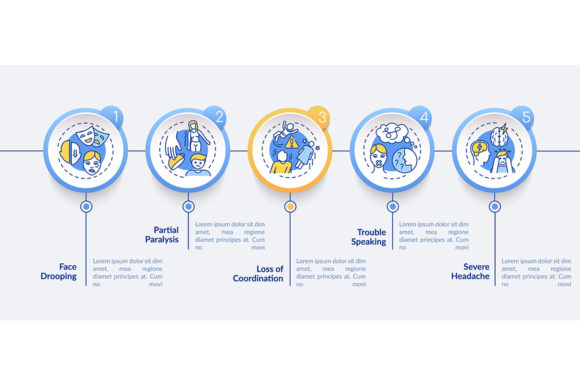
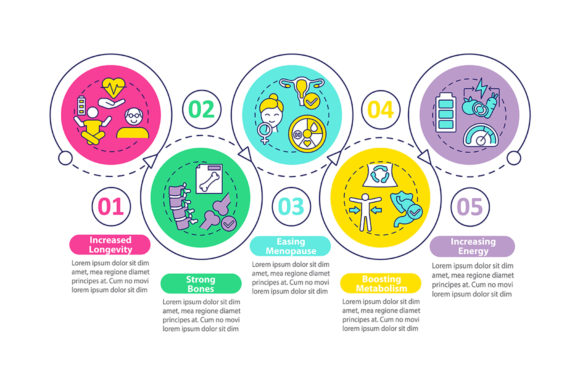
One of the most significant challenges in promoting vegetarianism is overcoming the perception of complexity. Many potential adopters feel overwhelmed by the logistics of dietary change. The Data visualization with 5 steps component of this asset directly addresses this friction point. Cognitive psychology suggests that breaking processes down into three-to-five distinct chunks optimizes retention and reduces anxiety. By mapping out the transition to vegetarianism as a linear five-step journey, designers can transform an intimidating lifestyle overhaul into a manageable project.
This structured approach is equally valuable for business presentations and educational workshops. When explaining the supply chain benefits of plant-based foods or the physiological timeline of health improvements, clarity is paramount. The Process timeline chart included in the template allows for chronological storytelling that static bullet points cannot achieve. For example, a nutritionist might use the timeline to illustrate how blood pressure, energy levels, and palate adaptation evolve over the first six months of a vegetarian diet. This visual evidence helps manage expectations and sustains motivation, which is often where new vegetarians struggle most.
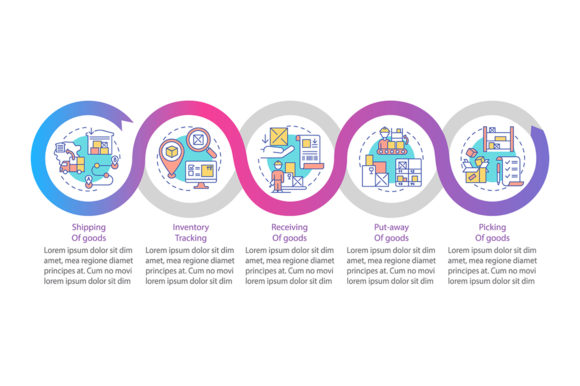
Furthermore, the Workflow layout with linear icons provides a clean, minimalist aesthetic that aligns with contemporary design standards. Linear icons reduce visual noise, allowing the data itself to take center stage. In a field where misinformation is rampant, a clean, organized design signals credibility. It implies that the content has been curated and verified, distinguishing professional resources from amateur blogs. This subtle psychological cue can significantly influence how seriously an audience takes the presented information.
Technical Versatility for Diverse Professional Needs
The practical utility of any design asset is defined by its technical specifications. This resource package acknowledges the varied software ecosystems used by modern professionals. The ZIP file contains EPS, JPG, PNG, SVG, AI formats, ensuring compatibility regardless of the user’s technical proficiency or software access. This inclusivity is a key feature for teams with mixed skill sets. A freelance writer might need a quick PNG for a newsletter, while a senior art director requires the AI file to customize color palettes for a corporate client.
- AI and EPS Files: Essential for deep customization, allowing designers to modify anchor points, recolor elements to match brand guidelines, and scale graphics infinitely for large-format printing like trade show banners or office murals.
- SVG Format: Critical for web performance. Scalable Vector Graphics ensure that infographics load instantly on mobile devices and remain sharp on high-DPI retina screens, contributing to better SEO and user experience scores.
- PNG and JPG: Provide immediate usability for non-designers. These formats are ready for insertion into Word documents, PowerPoint slides, social media posts, or email marketing campaigns without requiring specialized software.
This multi-format delivery model supports agile workflows. In fast-paced environments, waiting days for a designer to export a specific file size is inefficient. Having immediate access to multiple formats empowers marketers and educators to respond to trends in real-time. If a new study on plant-based protein is released, a content team can instantly update the Vegetarianism Pros Vector Infographic with the latest statistics and publish across channels within hours, maintaining relevance and authority.
Practical Applications Across Industries
The application of these design elements extends far beyond food blogging. Healthcare providers can utilize the Vegetarianism pros vector infographic template to create patient handouts that explain dietary interventions for diabetes or hypertension management. Visual aids have been proven to improve patient compliance and understanding compared to verbal instructions alone. Similarly, corporate sustainability officers can leverage the workflow layouts to report on ESG (Environmental, Social, and Governance) goals related to cafeteria offerings or employee wellness programs.
Educators and trainers also benefit significantly from these structured visuals. Teaching nutrition or environmental science requires making abstract concepts concrete. A process timeline chart can visually demonstrate the water savings of lentils versus beef, making the environmental argument tangible for students. For entrepreneurs developing plant-based products, these assets serve as foundational branding elements for pitch decks and packaging, helping to communicate value propositions quickly to investors and consumers alike.
Even hobbyists and community leaders find value in professional-grade templates. Local community gardens, cooking clubs, and advocacy groups often lack budget for custom design but still need to look professional to attract members and funding. Access to high-quality vector templates democratizes design, allowing grassroots organizations to compete visually with larger entities. This elevates the overall standard of communication within the plant-based movement, fostering greater trust and engagement.
Best Practices for Customization and Authenticity
While templates provide structure, authenticity drives engagement. Users of the Vegetarianism Pros Vector Infographic should prioritize accuracy over aesthetics. Before publishing, verify all statistics against reputable sources such as peer-reviewed journals or government health agencies. The template is a vessel; the integrity of the content determines its long-term value. Avoid cluttering the five-step visualization with excessive text. Let the icons and headers guide the narrative, using supporting copy only to clarify, not to repeat.
Customization should also extend to cultural relevance. Vegetarianism looks different across cultures and regions. Adjusting the iconography and examples within the template to reflect local cuisines and traditions makes the content more relatable and inclusive. A generic representation of salad may not resonate in regions where legumes and grains are the primary staples. Thoughtful adaptation demonstrates respect for the audience and enhances the effectiveness of the communication.
Finally, consider accessibility in your design implementation. While the vector files are scalable, ensure that color contrasts meet WCAG standards when finalizing the graphics. Use alt-text descriptions when publishing the JPG or PNG versions online to ensure that visually impaired users can access the information. True inclusivity in the plant-based movement encompasses not just dietary ethics but also digital accessibility. By combining the structural advantages of the Vegetarianism pros vector infographic template with mindful content strategies, professionals can create resources that are not only visually compelling but genuinely helpful and enduring.