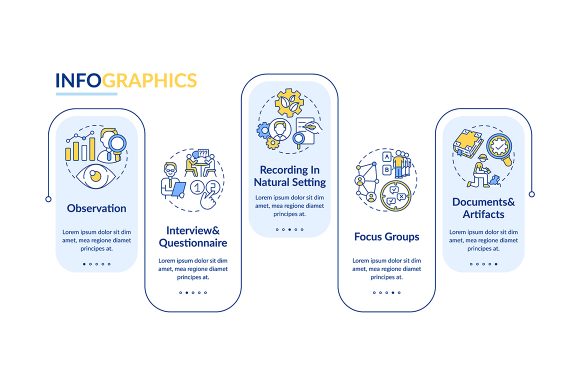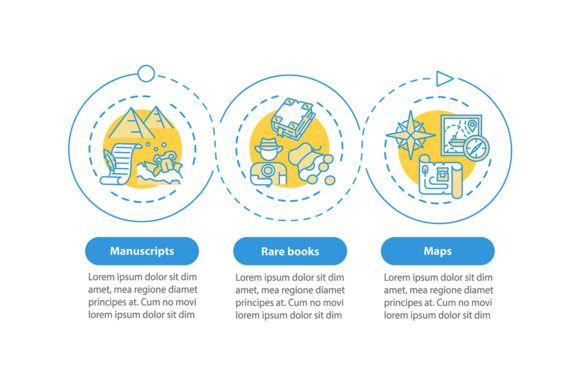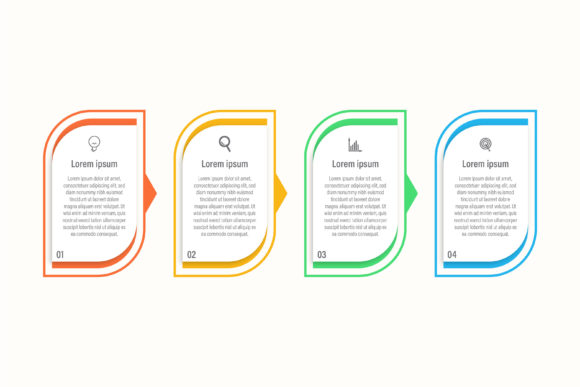
Simple Infographic Template: Editable Vector Design
Creating professional visual content often feels like a balancing act between aesthetic appeal and clear communication. A Simple Infographic Template solves this challenge by providing a structured, pre-designed framework that allows you to focus on your message rather than layout mechanics. This resource is specifically engineered for users who need high-quality results without spending hours building designs from scratch. Whether you are presenting quarterly data, explaining a complex process, or creating educational handouts, having a reliable foundation ensures your work looks polished and authoritative.
The core value of this Infographic Template lies in its versatility and technical quality. The download includes a ZIP file containing three essential formats: one AI file, one EPS10 file, and one high-quality JPG. This combination ensures compatibility across different workflows. The vector-based nature of the files means you can scale the design to any size—from a social media post to a large-format poster—without losing clarity. Being 100% fully editable, every element, color, and shape can be adjusted to match your specific branding or project requirements.
Why Vector Formats Matter for Creators
Understanding the file specifications helps you maximize the utility of this Simple Infographic Template. The inclusion of both AI and EPS10 formats is significant for long-term usability. Adobe Illustrator (AI) files serve as the native source, preserving all layers, effects, and text editability for users with the latest software. Meanwhile, the EPS10 format acts as a universal bridge. It maintains vector scalability while ensuring backward compatibility with older versions of Illustrator and other vector editing software like CorelDRAW or Affinity Designer.
This technical flexibility addresses a common pain point for freelancers and agencies working across different client environments. You never have to worry about whether a file will open correctly or if elements will be rasterized. The accompanying JPG serves as an immediate preview or a ready-to-use asset for quick digital sharing when further editing isn't necessary. This multi-format approach transforms a single template into a comprehensive design toolkit suitable for various output needs.
Practical Applications Across Industries
The true strength of a well-crafted Infographic Template is its adaptability to diverse contexts. For marketers and small business owners, this Simple Infographic Template streamlines the creation of comparison charts, product feature breakdowns, and statistical reports. Instead of hiring a designer for every new campaign, you can quickly update the existing vector assets to reflect current promotions or data points. This agility is crucial in fast-paced digital environments where speed-to-market directly impacts engagement.
Educators and trainers find equal value in these resources. Complex concepts become digestible when presented visually. A teacher can use the template to illustrate historical timelines, scientific cycles, or literary structures. Because the design is clean and uncluttered, it avoids cognitive overload, helping students retain information more effectively. Similarly, corporate trainers can repurpose the same layout for onboarding materials, compliance guides, or internal process documentation, maintaining visual consistency across organizational learning materials.
- Business Reporting: Transform dry spreadsheets into engaging visual summaries for stakeholders.
- Content Marketing: Create shareable blog graphics that drive traffic and backlinks.
- Educational Aids: Simplify academic topics for students and workshop participants.
- Social Media: Resize vector elements for Instagram carousels or LinkedIn posts.
- Personal Projects: Organize research, plan events, or visualize personal goals.
Customization Strategies for Beginners
New users often feel intimidated by vector editing, but this Simple Infographic Template is designed with accessibility in mind. Start by identifying the layer structure within the AI or EPS file. Most professional templates organize elements into clearly labeled groups such as "Background," "Icons," "Text," and "Charts." This organization prevents accidental edits and makes navigation intuitive. When customizing colors, use global swatches whenever possible. Changing a single global color updates every instance of that hue throughout the design, ensuring brand consistency with minimal effort.
Typography plays a critical role in infographic effectiveness. While the template provides placeholder text, replacing it with your own content requires attention to hierarchy. Maintain the original font sizing relationships to preserve the visual flow. If your content is longer than the placeholder, consider condensing the copy rather than shrinking the font size excessively. White space is an active design element; crowding the layout diminishes readability. The template’s balanced composition serves as a guide, reminding you that simplicity often communicates more effectively than density.
Key Considerations Before Downloading
Before integrating this Infographic Template into your workflow, assess your software capabilities. Since the primary editable files are vector-based, you will need access to Adobe Illustrator or compatible vector editing software. Raster programs like Photoshop are not ideal for editing EPS or AI files, as they may rasterize the vectors upon import, limiting your ability to resize or modify individual shapes. Confirming your toolset beforehand prevents frustration and ensures you can fully leverage the 100% editable nature of the asset.
Also consider the scope of your intended use. While the Simple Infographic Template offers immense flexibility, it works best when your content aligns with the general structure provided. If your data requires a highly specialized chart type not included in the template, you may need to supplement it with custom-drawn elements. However, for standard informational graphics, lists, processes, and comparisons, this template provides a robust starting point that significantly reduces production time.
Licensing and usage rights should also be reviewed. Understanding whether the template permits commercial use, client work, or unlimited modifications protects you legally and ethically. High-quality vector assets represent a professional investment; respecting the creator's terms ensures sustainable access to premium resources. When used appropriately, this template becomes more than just a file—it becomes a repeatable system for visual communication that elevates your professional output.
Maximizing Value Through Consistent Use
One often overlooked benefit of adopting a specific Simple Infographic Template is the development of visual consistency over time. When you repeatedly use the same design framework, your audience begins to associate that style with your brand or personal identity. This recognition builds trust and improves information retention. Rather than reinventing the wheel for every project, treat this template as a modular component of your larger design system.
For entrepreneurs and freelancers, this consistency translates to efficiency. Time saved on layout design is time redirected toward strategy, content creation, or client interaction. The high-quality vector construction ensures that your materials always look crisp, regardless of the platform. Whether printed on premium paper for a conference handout or displayed on a mobile screen, the integrity of the design remains intact. This reliability is what separates professional-grade resources from amateur alternatives.
Ultimately, the decision to utilize this Infographic Template should be driven by your specific communication goals. It excels at transforming abstract ideas into concrete visuals, bridging the gap between raw information and audience understanding. By leveraging the included AI, EPS10, and JPG files, you gain a comprehensive solution that adapts to both immediate needs and future projects. The result is not just a prettier graphic, but a more effective tool for conveying meaning in an increasingly visual world.