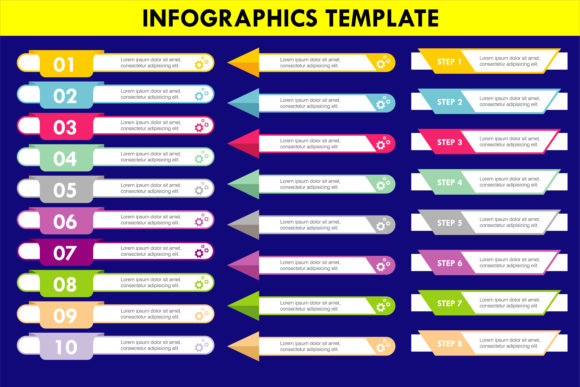
Maximizing Value with a Set of Business Infographic Template
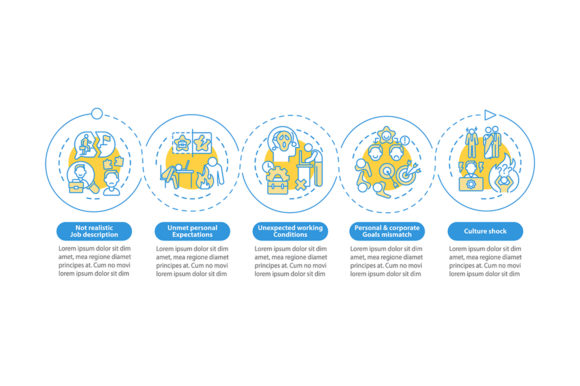
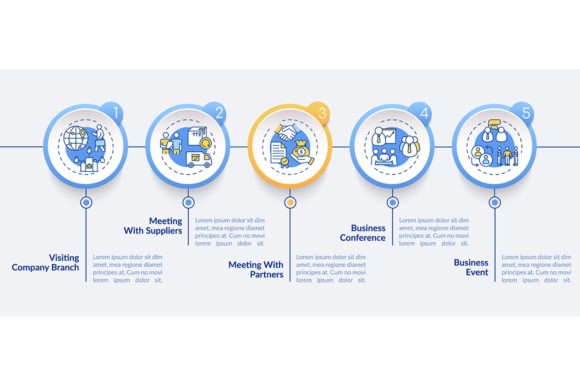
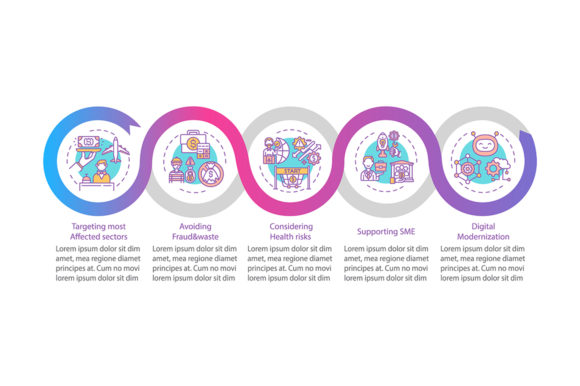
A well-structured Set of Business Infographic Template serves as more than just a collection of pretty graphics; it is a foundational asset for visual communication. For entrepreneurs, marketers, and educators, these templates bridge the gap between raw data and compelling storytelling. The primary appeal lies in efficiency. Instead of building complex diagrams from scratch, professionals can leverage pre-designed layouts to visualize processes, statistics, timelines, and organizational structures. However, the true value of these assets depends entirely on how they are selected and implemented. Many users download comprehensive packs only to find themselves frustrated by compatibility issues, inconsistent branding, or files that lack the necessary editability for professional output.
The market is saturated with options, ranging from simple JPG previews to fully layered source files. Understanding the distinction between these formats is the first step toward avoiding costly mistakes. A common oversight is assuming all template packs offer equal flexibility. When evaluating a set, you must verify the inclusion of specific file types: JPG, EPS, AI, and CDR. Each format serves a distinct purpose in a professional workflow, and missing one can severely limit your ability to customize the design for high-stakes presentations or print materials.
Understanding File Formats Beyond the Preview
The most frequent error beginners make is judging a template solely by its JPG preview. While the JPG provides a necessary visual reference, it is a flattened raster image with zero editability. Relying on JPGs for production work leads to pixelation when resizing and an inability to change text or colors. To ensure long-term usability, your chosen Set of Business Infographic Template must include vector-based source files.
- AI (Adobe Illustrator): This is often the industry standard for scalable vector graphics. AI files allow for precise manipulation of anchor points, color swatches, and typography. If your team uses Adobe Creative Cloud, this should be your primary editing format.
- EPS (Encapsulated PostScript): EPS acts as a universal vector format. It is essential for cross-platform compatibility, allowing users without Adobe Illustrator to open and edit designs in alternative software like Affinity Designer or CorelDRAW. Always check that the EPS version retains editable layers rather than being a flattened export.
- CDR (CorelDRAW): Often overlooked by designers accustomed to Adobe products, CDR files are vital for print shops, sign makers, and businesses in regions where CorelDRAW is the dominant vector tool. Including CDR ensures that your marketing team or external vendors can modify the infographic without needing to convert files, which often breaks formatting.
Neglecting to confirm the presence of these specific source files before purchase or download results in wasted budget. You may end up paying for a premium pack that functions only as a static image library rather than a customizable design system.
The Trap of Visual Inconsistency
Another significant pitfall involves selecting templates based on individual slide aesthetics rather than systemic cohesion. A Set of Business Infographic Template should function as a unified kit. A common mistake is mixing styles within a single presentation—combining flat design icons with 3D rendered charts, or pairing hand-drawn elements with rigid corporate grids. This visual dissonance confuses the audience and undermines the professionalism of the content.
Before committing to a template set, audit the entire collection for consistency. Check if the stroke weights, corner radii, shadow styles, and color palettes remain uniform across different diagram types. A high-quality set will use global swatches and master symbols. This means that changing a primary brand color in one place updates the entire infographic ecosystem automatically. Templates that require manual recoloring of every individual element are inefficient and prone to human error. Prioritize sets that demonstrate thoughtful system design over those that simply offer the highest quantity of disparate slides.
Evaluating Editability and Layer Structure
Visual appeal means nothing if the file structure is a nightmare to navigate. Experienced designers know that the internal organization of an AI or EPS file dictates workflow speed. Poorly constructed templates often group elements excessively, lock critical layers, or expand text into outlines. When text is outlined, it becomes a shape rather than editable type, forcing you to recreate labels from scratch if you need to change the wording. This negates the time-saving benefit of using a template.
To avoid this, look for product descriptions that explicitly state "fully editable text" and "organized layers." If possible, review sample files or user feedback regarding the layer hierarchy. A practical approach is to test the template with a real project immediately after acquisition. Verify that you can:
- Replace placeholder text without breaking the layout alignment.
- Swap icons using a consistent style library included in the set.
- Resize the artboard for different platforms (e.g., converting a landscape slide to a vertical social media post) without distorting key elements.
- Export clean SVG or PNG files for web use directly from the source file.
If a template fails these basic functional tests, it is likely to cause more frustration than it solves. Efficient assets empower creativity; poorly engineered assets constrain it.
Licensing and Commercial Usage Rights
Beyond technical specifications, legal compliance is a frequently misunderstood aspect of using digital assets. Not all Set of Business Infographic Template licenses are created equal. A personal license might suffice for a student project or internal training, but commercial projects, client deliverables, and products intended for resale typically require an extended or commercial license. Assuming that a downloaded file is free for any use exposes businesses to copyright infringement risks.
Always read the licensing terms carefully. Pay attention to restrictions regarding modification, redistribution, and attribution. Some licenses prohibit using the template as part of a logo or trademark, while others restrict the number of end-products you can create. Clarifying these details upfront prevents legal complications later. For agencies and freelancers managing multiple clients, maintaining a clear record of which assets are licensed for which projects is a best practice that protects both your business and your clients.
Strategic Implementation for Better Communication
Finally, avoid the mistake of letting the template dictate your message. A common failure mode occurs when users force complex data into a simplistic chart simply because it looks attractive. The goal of an infographic is clarity, not decoration. Before applying a template, define the narrative arc of your data. Does this information represent a sequential process, a comparative analysis, or a hierarchical structure?
Select the specific diagram type that matches the cognitive task required of the viewer. Using a circular cycle diagram for linear historical data creates confusion, regardless of how polished the design is. Use the Set of Business Infographic Template as a flexible toolkit to enhance understanding, not as a rigid constraint. Sometimes, the best use of a template is to deconstruct it, utilizing only the color palette and iconography while building a custom layout that truly serves the unique needs of your content. By combining technical due diligence with strategic thinking, you transform generic assets into powerful communication tools that drive engagement and convey authority.